Initial Impressions
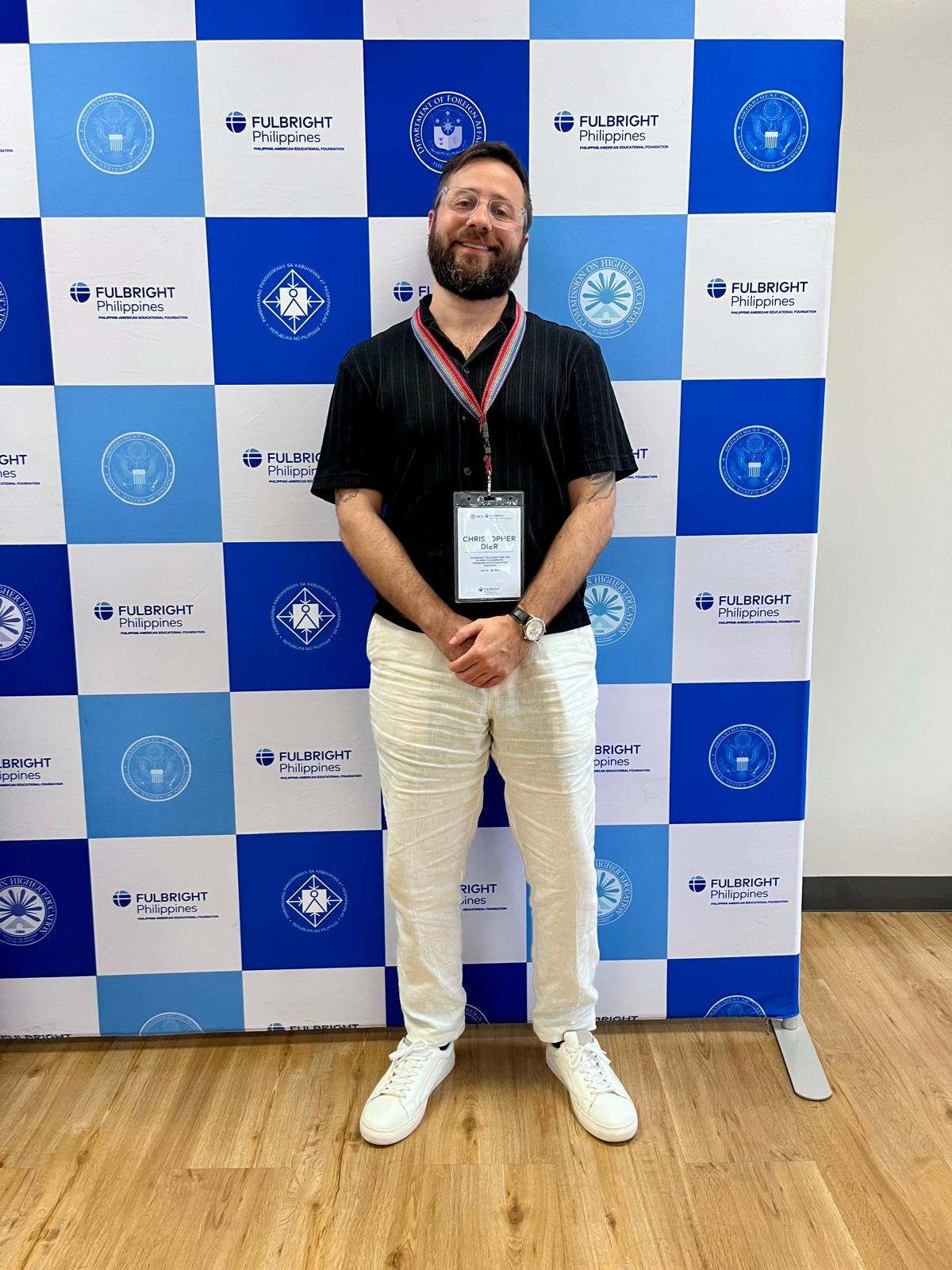
I arrived in the Philippines from Barcelona on a warm, sunny day. Entering the country was seamless. “Traveling alone?” was the only question the customs agent asked me. The Fulbright team was incredibly accommodating from the start, from communication to transportation. JoJo, one of the Philippine-American Educational Foundation (PAEF) employees on the ground, greeted me at an airport gate with a photo of myself.
My first impressions of Manila surprised me in ways I didn’t expect. It immediately looked like a place I’ve never seen before, yet in other ways appeared eerily familiar. Manila looked like a sprawling Southeast Asian city with an evident and unique mixture of Latin American and U.S. influences; the former influence made the country also appear distinctly Latin American in some characteristics. After all, this was only the third Southeast Asian country I have visited. It was quickly apparent that the country was a former Spanish and U.S. colony. I knew this would be apparent, of course, but I did not realize just how much it would be. Everything looked somewhat foreign, but the signs and street names were almost entirely in English or Spanish – both languages I am literate in – which gave it a sense of familiarity that I wasn’t necessarily prepared for. Almost no signs were in Filipino. During the drive to the hotel, it soon dawned on me that this was the first time I’ve visited a country that was a former colony of my home country and is now independent.
I checked into my hotel room at the Ascott Makati hotel. The room was much grander than I anticipated, arguably one of the largest hotel rooms I’ve ever stayed in. It was complete with a kitchen, living room, dining room, bathroom with a massive tub, and a bedroom with a king-sized bed. At first I felt as if I was given the wrong room, but then as I settled in I started to remind myself that as teachers we work so incredibly hard throughout the year that we should enjoy being treated nicely.
Since I arrived solo almost a half-day prior to the other Fulbrighters, I decided to walk around a bit. I recognized I was staying in a rather wealthy area of the city, but I was still surprised with the sheer amount of U.S. chains in close proximity. I’m accustomed to American fast food being readily available in massive cities around the globe, but I was not expecting to see other American giants: TGIFs, Texas Roadhouse, Foot Locker, etc. I didn’t particularly like what the existence of these chains represented. It is strikingly evident that the U.S.’ influence did not stop after the U.S. gave the Philippines its independence, nor did it cease after the U.S.-backed dictatorships.
I’m unsure of the exact reason, but Manila did not necessarily speak to me as other cities have. I thought maybe it was due to its size, but other bustling cities spoke to me on my first day: Istanbul, Hanoi, and Hong Kong, to name a few. Despite this, what I found most striking from all the Filipinos whom I had the pleasure to speak with during the first 24 hours was an abiding sense of unparalleled kindness. Everyone seemed keen to assist, a warmth atypical in many cities. I also know better than to judge a country by a city and certainly not to judge a city by a few city blocks. For this reason and more, I knew I had to keep an open mind and grew excited for the upcoming journey.
My perception of Manila started to drastically change once we went into neighborhoods and schools. The Filipino people were gracious and kind wherever we went. There was a certain level of passion seemingly embedded in their identity that I appreciated. It soon became apparent that the Filipino people are what make these lands so special.
Legazpi
While Manila did not necessarily speak to me initially, Legazpi certainly did. Legazpi is a coastal city best known as the home of Mayon Volcano, famed for its symmetrical, perfect cone shape. Located in the Bicol Region, the city serves as a major hub for eco-tourism. Perhaps because it was smaller, the warm welcome, or because it was our home base, I’m unsure exactly, but I felt much more at home.
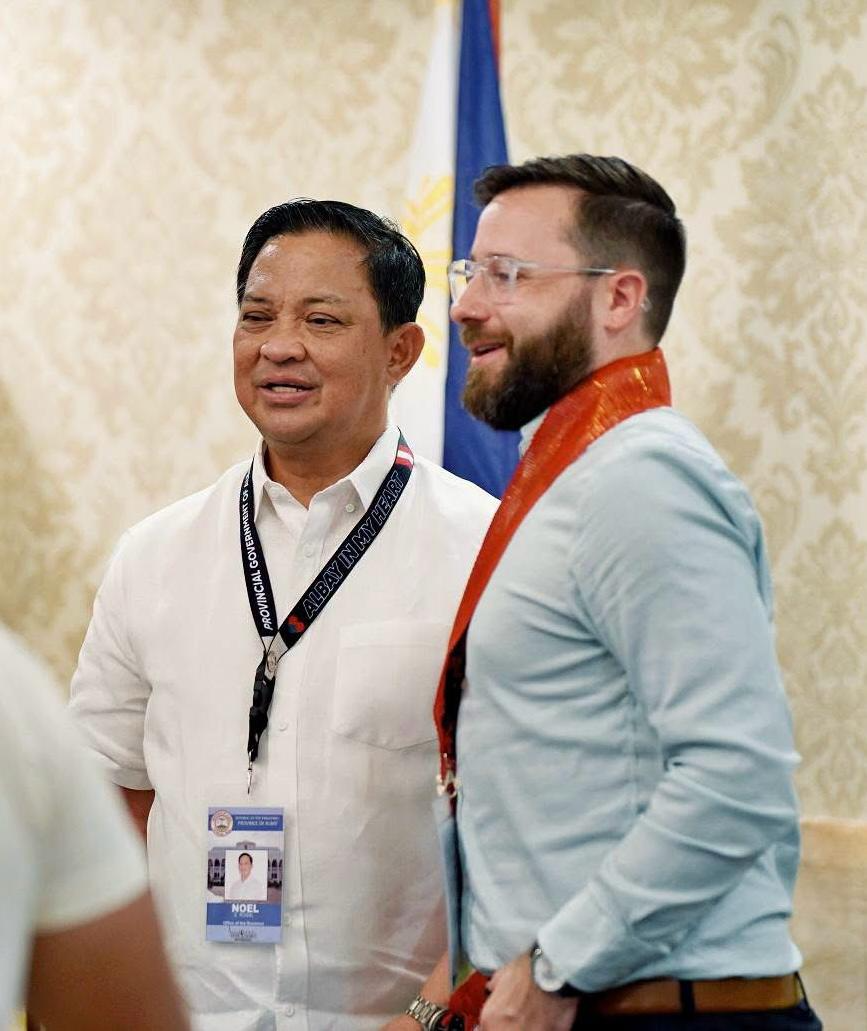
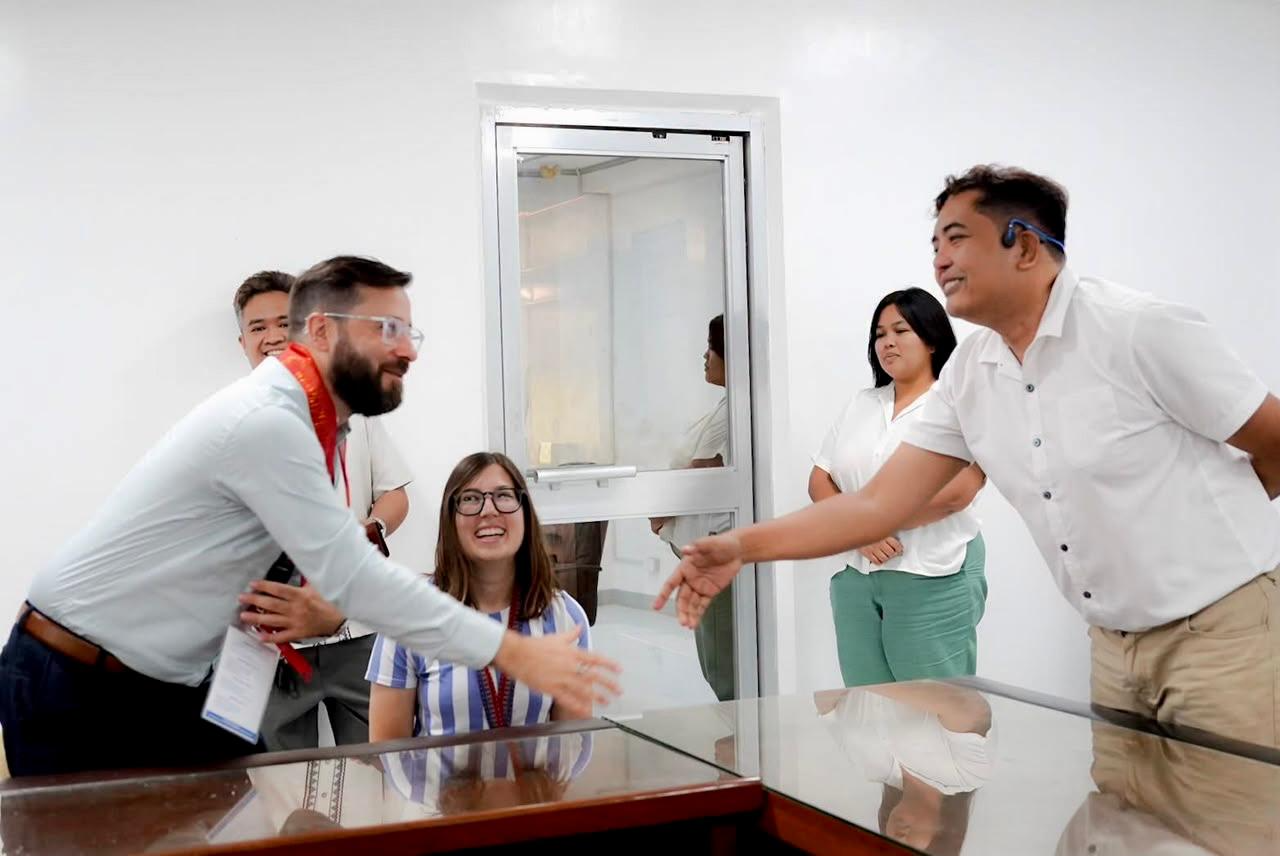
In Legazpi, Legazpi Science High welcomed us with open arms. It wasn’t just the students and regular folks who seemed to appreciate our presence, but the local politicians also wanted to meet us. We met Noel Rosal, the Governor of Albay. Rosal cleared his schedule to graciously host us. We also met folks from the Office of the Mayor of Daraga. Such meetings have left a lasting impression as they imply how important our visit was to the people of the region. They truly made us feel valued, which was just humbling.
Beyond its natural landmarks, Legazpi is celebrated for its distinctive Bicolano cuisine, which prominently features rich coconut milk and spicy chili peppers. In reality, all of the food from every region we visited was remarkably delicious. Not only was it just tasty, but it seemed every dish was made from the heart, truly showcasing the kindness of the Filipino people.
Radical Listening
Overall, traveling through the Philippines as a U.S. educator and a guest is an exercise in radical listening. You quickly learn that the country’s true landscape isn’t defined merely by the towering cone of Mayon Volcano or the high-rise sprawl of Manila’s skyline. Instead, it lives in the profound spirit of kapwa – the sacred recognition of a shared identity and interconnected humanity. It was in the spaces where that spirit thrived that my guiding question was best addressed.
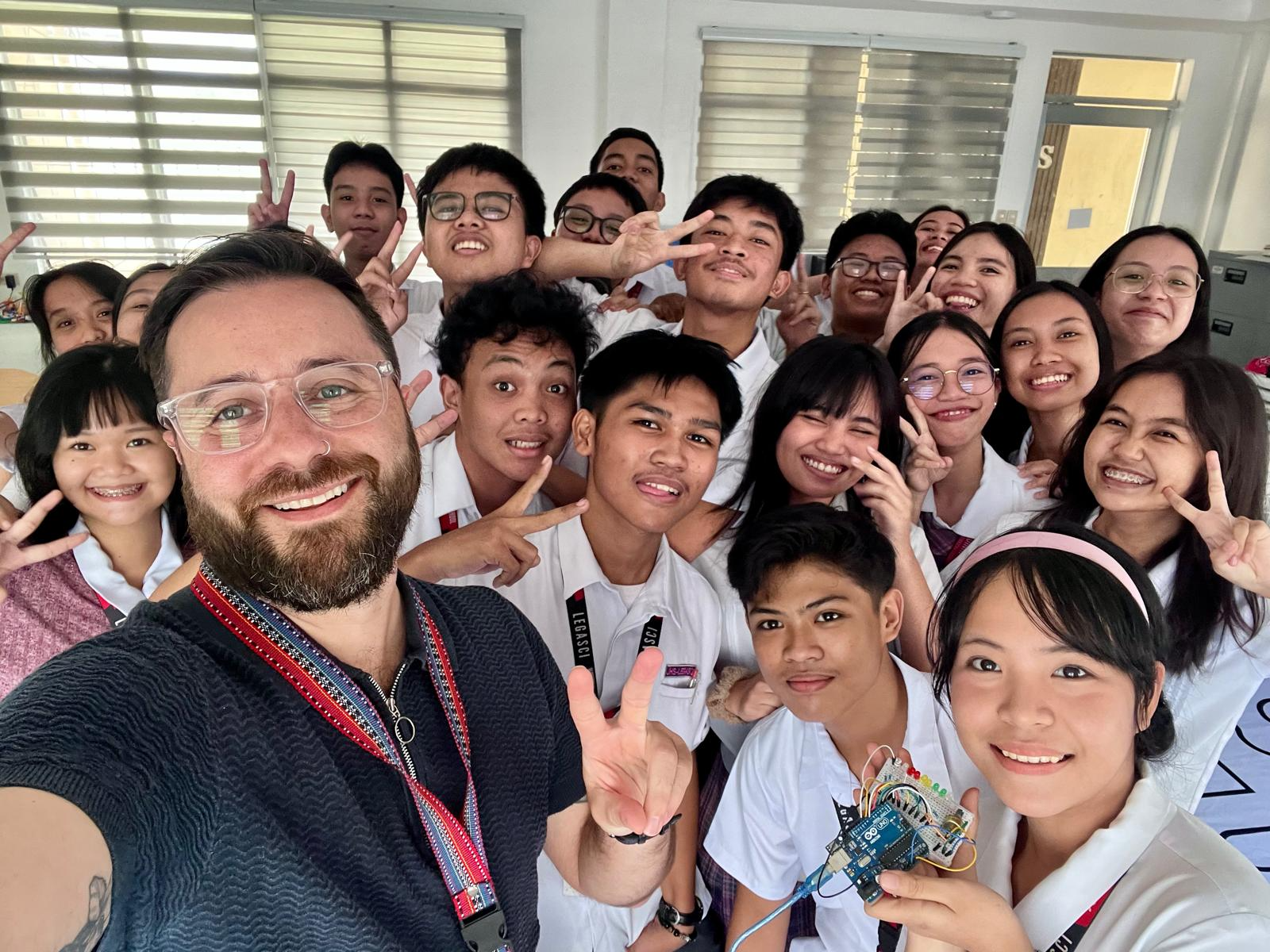
Throughout my journey, this philosophy ceased to be an abstract academic concept and became a lived, vibrant reality. I saw kapwa in the selfless dedication of teachers from various schools and community centers, empowering families with a sense of dignity that defied circumstances. I felt it in the quiet reverence inside the century-old, volcanic-stone walls of Daraga Church, in the warm hospitality of Judge Adille opening his home in Legazpi, in the peaceful nature while cruising on an ATV, and in the peace-centered dialogues shared with the local Imam inside a modest neighborhood madrassah. Out of all of these experiences, I felt the most alive when teaching in front of those kind and brilliant Legazpi students. Whether across lines of faith, class, or geography, the Filipino people I met offered their culture, history, and homes not as passive artifacts to be observed, but as generous invitations to connect – and connect we did.
Coming Home
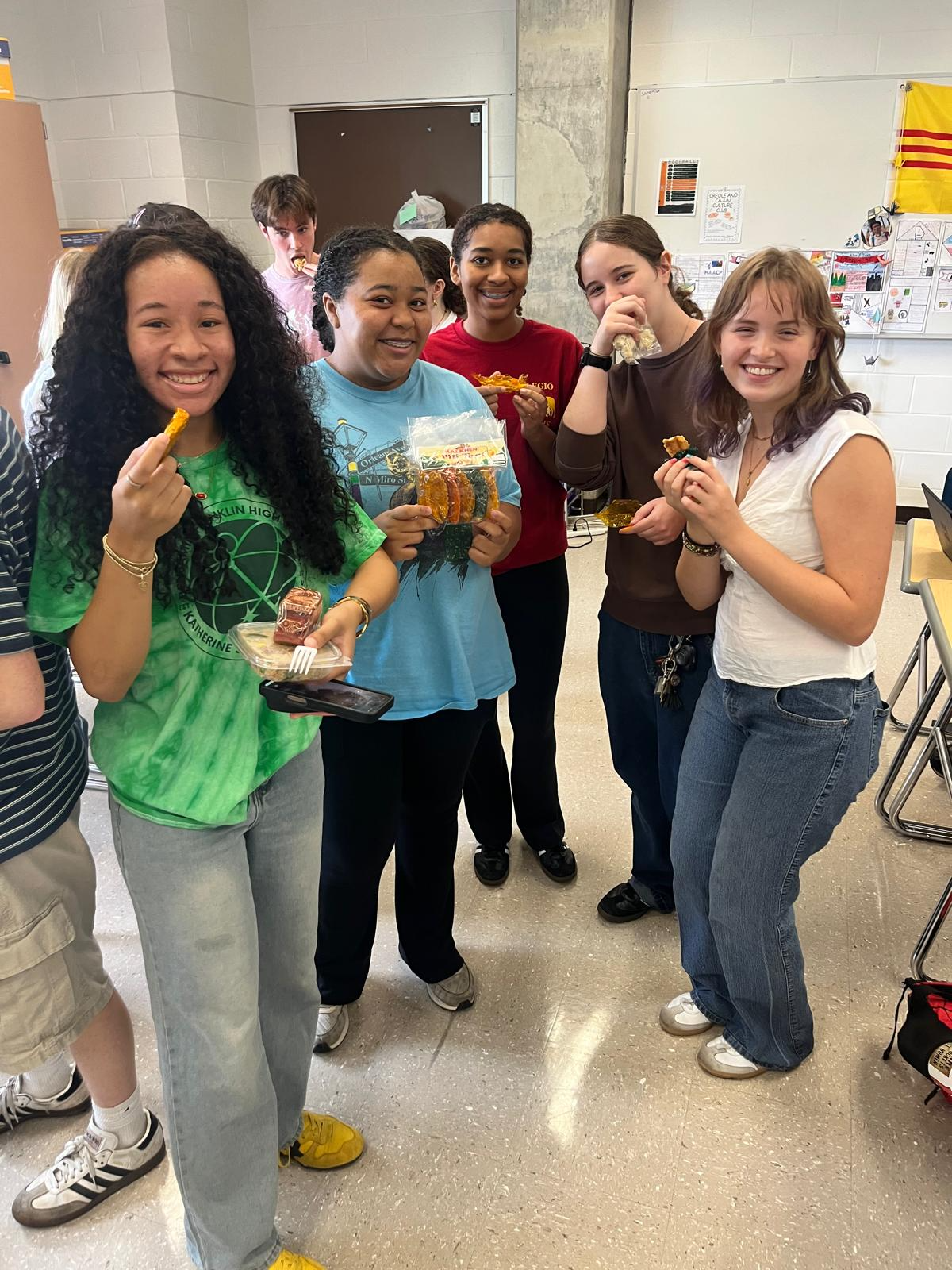
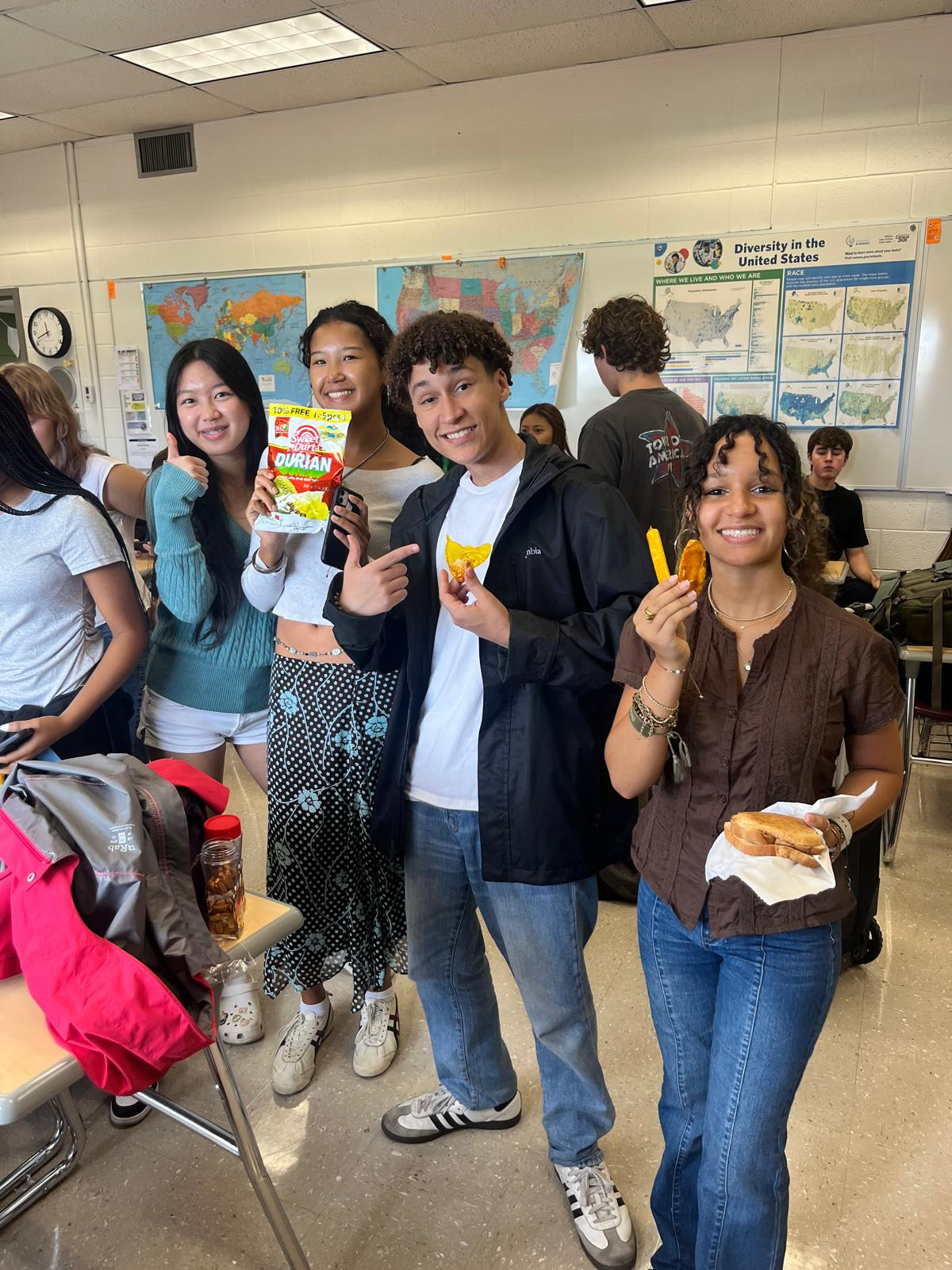
As the journey approached the end, I almost did not want to return home. The Philippines lured me in in a way that was just unprecedented. Ultimately, returning home means honoring the promise I made during those transformative weeks: to refrain from simple pity or passive nostalgia, and instead allow these experiences to shape how I walk through the world. To this extent, I ended up bringing a ton of snacks and gifts that Filipinos gave me and gifting them to others, from family to my students. I didn’t know it at the time, but returning from the Philippines with a plethora of gifts is such a common occurrence that there is a word for it – pasulubong, which translates to “homecoming gift” or “travel souvenir” in English. My U.S. students appreciated and ate all of the treats. It was beautiful to witness such cultural exchange.
The Philippines captures your heart and leaves an indelible mark on your soul – not just because of its breathtaking natural beauty or its unique cultures, but because it challenges you to see others more deeply. I’ve heard others try to express this sentiment to me before this journey, but it is truly something that must be felt there. My time in the Philippines, albeit all too short, was one of the most remarkable experiences I’ve ever had in my life. I pray to one day return. As for now, I return to my own community with a renewed sense of purpose, carrying the warmth, gratitude, and enduring spirit of kapwa forward into everything I teach and build and with everyone I connect with.